Blood pressure is one of those health metrics that most people ignore until a doctor tells them not to. It has no symptoms in its early stages, which is why it is called the "silent killer." Nearly half of adults with high blood pressure do not know they have it.
The good news is that blood pressure is straightforward to measure at home, easy to understand once you know what the numbers mean, and highly responsive to lifestyle changes. Regular monitoring gives you data that helps both you and your doctor make informed decisions about your cardiovascular health.
What the Two Numbers Mean
A blood pressure reading gives you two numbers, such as 120/80. These are measured in millimeters of mercury (mmHg).
Systolic (the top number) is the pressure in your arteries when your heart contracts and pushes blood out. This is the peak pressure in your cardiovascular system.
Diastolic (the bottom number) is the pressure in your arteries between heartbeats, when your heart is resting and refilling with blood. This is the baseline pressure.
Both numbers matter, but they tell you different things. High systolic pressure (above 130) indicates that your heart is working hard to push blood through your arteries. High diastolic pressure (above 80) suggests that your arteries are under constant stress even when your heart is resting.
The American Heart Association classifies blood pressure in these categories:
- Normal: below 120/80
- Elevated: 120-129 systolic AND below 80 diastolic
- High (Stage 1): 130-139 systolic OR 80-89 diastolic
- High (Stage 2): 140+ systolic OR 90+ diastolic
- Crisis: above 180/120 (seek medical attention immediately)
A single high reading is not necessarily cause for alarm. Blood pressure fluctuates throughout the day based on activity, stress, caffeine intake, and dozens of other factors. What matters is the trend over multiple readings taken at different times.
How to Measure Blood Pressure Accurately at Home
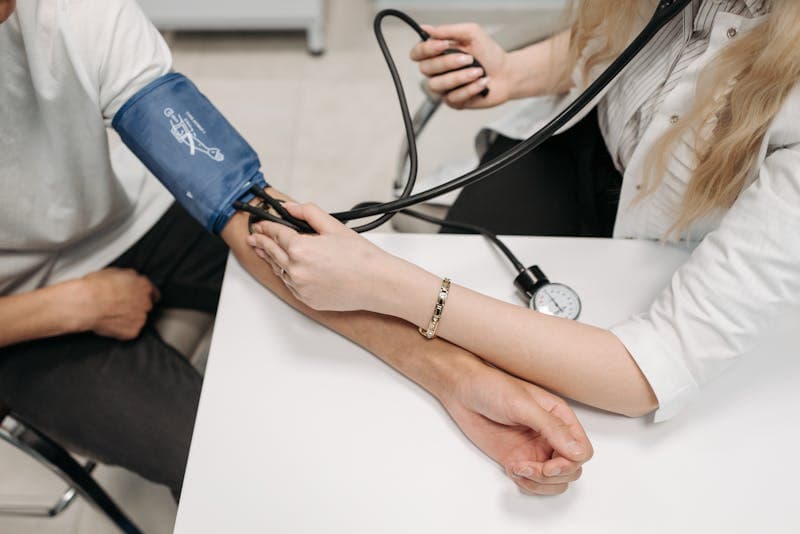
Home blood pressure monitors are affordable and accurate enough for regular tracking. Automatic upper-arm cuffs are recommended over wrist monitors because they sit at heart level, which improves accuracy.
For reliable readings, follow this routine:
- Sit quietly for 5 minutes before measuring. Do not measure right after exercise, eating, smoking, or drinking caffeine.
- Sit with your back supported and feet flat on the floor. Do not cross your legs.
- Place the cuff on bare skin, not over clothing. The bottom edge should be about an inch above your elbow.
- Rest your arm on a flat surface at heart level.
- Take two or three readings, one minute apart. Record all of them.
Time of day matters. Blood pressure is typically lower in the morning and higher in the afternoon and evening. For consistency, measure at the same time each day. Many doctors recommend morning readings before medication and evening readings before dinner.
The Heart Rate Calculator can complement your blood pressure tracking by helping you monitor your resting heart rate, another important cardiovascular metric. A resting heart rate between 60 and 100 beats per minute is considered normal for adults.
Home blood pressure monitors are affordable and accurate enough for regular tracking.
Factors That Affect Blood Pressure
Understanding what influences your blood pressure helps you interpret your readings and make effective changes.
Diet has the largest impact outside of medication. The DASH diet (Dietary Approaches to Stop Hypertension) has been shown in clinical trials to lower blood pressure by 8-14 mmHg. It emphasizes fruits, vegetables, whole grains, lean protein, and low-fat dairy while limiting sodium, saturated fat, and added sugars.
Sodium is the single most impactful dietary factor. The average American consumes about 3,400mg of sodium per day. Reducing to 1,500mg can lower systolic pressure by 5-6 mmHg. Most dietary sodium comes from processed and restaurant food, not the salt shaker on your table.
Exercise lowers blood pressure both immediately (for several hours after a workout) and long-term (regular exercise can reduce systolic pressure by 5-8 mmHg). Both aerobic exercise (walking, swimming, cycling) and resistance training are beneficial. The recommendation is 150 minutes per week of moderate-intensity exercise.
Weight directly correlates with blood pressure. Losing 10 pounds can lower systolic pressure by 5-10 mmHg. The BMI Calculator gives you a starting point for understanding where your weight falls relative to healthy ranges, though BMI has limitations and does not account for muscle mass or body composition.
Stress causes temporary blood pressure spikes. Chronic stress can contribute to sustained elevation through behavioral effects (stress eating, poor sleep, reduced exercise). Stress management techniques like meditation, deep breathing, and adequate sleep help.
Alcohol raises blood pressure when consumed in excess. Moderate drinking (one drink per day for women, two for men) has minimal impact, but heavier consumption can raise blood pressure by several points.
Tracking Patterns Over Time
A single blood pressure reading is a snapshot. A month of readings is a trend. Trends are what matter for health decisions.
Record each reading with the date, time, and any relevant context ("after morning walk," "stressful day at work," "had coffee 30 minutes ago"). This context helps explain outlier readings and reveals patterns.
Many people find that their blood pressure follows a consistent daily pattern. It rises in the morning, peaks in the afternoon, and drops at night. If your readings consistently spike in the afternoon, that might correlate with work stress, caffeine habits, or meal timing.
Seasonal patterns are also common. Blood pressure tends to be higher in winter (cold temperatures cause blood vessels to constrict) and lower in summer. A reading that seems elevated in January might be normal for you during that season.
The Age Calculator provides your exact age, which is relevant because blood pressure naturally increases with age. The arteries become stiffer over time, which raises systolic pressure. What is considered "normal" shifts slightly with age, though the clinical thresholds remain the same.
Share your tracking data with your doctor. A month of home readings is more valuable than a single reading taken in a clinical setting, where anxiety about the appointment itself can elevate your numbers (this is called "white coat hypertension").

When to See a Doctor
Regular monitoring helps you catch trends early, but some situations require prompt medical attention.
See your doctor soon if: your readings consistently exceed 130/80 over multiple days, your blood pressure has been normal and suddenly starts trending higher, or you experience symptoms like persistent headaches, chest pain, or shortness of breath alongside elevated readings.
Seek immediate care if: your reading exceeds 180/120, especially if accompanied by chest pain, severe headache, vision changes, difficulty breathing, or numbness. This is a hypertensive crisis and can cause organ damage.
Regular checkups: even if your home readings are normal, have your blood pressure checked by a healthcare professional at least once a year. Home monitors should be calibrated against a clinical reading periodically to ensure accuracy.
Medication for blood pressure is common and effective. If lifestyle changes alone are not sufficient, medication can bring your numbers into a safe range. Blood pressure medications are among the most studied drugs in medicine, with decades of safety data. They are not a failure. They are a tool, just like diet and exercise.
Lifestyle Changes That Make a Measurable Difference
If your blood pressure is elevated but not yet in the "high" range, lifestyle modifications can often bring it back to normal without medication. Even if you are already on medication, these changes can make the medication more effective or allow for lower doses.
The changes with the most evidence behind them, ranked by typical systolic reduction:
- DASH diet: minus 8-14 mmHg
- Weight loss (if overweight): minus 5-10 mmHg per 10 pounds
- Sodium reduction (to under 1,500mg/day): minus 5-6 mmHg
- Regular exercise (150 min/week): minus 5-8 mmHg
- Moderate alcohol (max 1-2 drinks/day): minus 2-4 mmHg
- Potassium increase (bananas, potatoes, spinach): minus 2-4 mmHg
These effects are additive. Combining the DASH diet with exercise and sodium reduction could lower systolic pressure by 15-25 mmHg, which is comparable to some medications.
Start with one change at a time. Trying to overhaul your diet, start exercising, and quit drinking simultaneously is a recipe for giving up on all three. Pick the easiest win first, establish the habit, then add the next change.
If your blood pressure is elevated but not yet in the "high" range, lifestyle modifications can often bring it back to normal without medication.
FAQ
How often should I check my blood pressure at home?
If your blood pressure is normal, once or twice a month is sufficient. If you have elevated or high blood pressure, daily monitoring (morning and evening) gives you and your doctor better data for treatment decisions. Once your blood pressure is well-controlled, you can reduce frequency.
Is the first reading always the highest?
Usually, yes. Anxiety about the measurement itself can cause a temporary spike. This is why doctors recommend taking 2-3 readings one minute apart and averaging them, or using the second and third readings. The first reading is often 5-10 mmHg higher than subsequent ones.
Can caffeine permanently raise blood pressure?
No. Caffeine causes a temporary spike of 5-10 mmHg that lasts 2-3 hours. Regular caffeine consumers develop tolerance to this effect. However, if you drink coffee before measuring, your reading will be artificially elevated. Wait at least 30 minutes after caffeine before taking a measurement.
Do home blood pressure monitors need calibration?
Yes. Bring your home monitor to your next doctor's appointment and take a reading with both your device and the clinical device. If the readings differ by more than 5 mmHg, your monitor may need calibration or replacement. Most monitors remain accurate for 2-3 years with regular use.
Free Health Calculators: BMI, Calories, Water Intake
Health calculators for BMI, daily calories, water intake, and sleep cycles. Free tools that give you real numbers to work with instead of guesses.
Sleep Calculator: Find Your Ideal Bedtime
Use a sleep calculator to find your ideal bedtime from sleep cycles. Learn how 90-minute cycles work, why waking mid-cycle makes you groggy, and how to fix it.
Heart Rate Zones: Calculate Your Target Training Zones
Calculate target heart rate zones for training. Apply the Karvonen formula, set zone-based training intensities, and get more from each cardio workout.